


Thursday, 18-09-2025 | 08:23
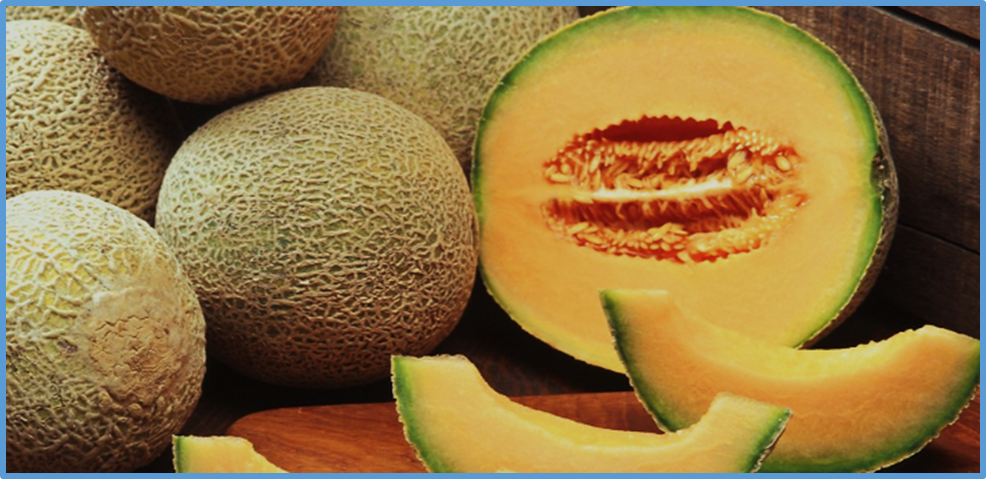
The dwarfing trait is of considerable agronomic importance, as it enables increased planting density and reduced management costs. In melon (Cucumis melo L.), a high-value cucurbit crop, semi-dwarf plant architecture is particularly beneficial for lowering labor requirements in greenhouse trellis cultivation. In this study, a stably inherited dwarf mutant was identified from an ethyl methanesulfonate (EMS)-mutagenized population of thin-skinned inbred line ssp. agrestis ‘13C’. Using bulked segregant analysis sequencing in combination with MutMap and molecular marker validation, a key missense mutation in the CmTUB8 gene was identified, which completely co-segregates with the dwarf phenotype.
Updated News
- AfricaRice DG Baboucarr Manneh and Aliko Dangote Discuss Pathways to Africa’s Rice Self-Sufficiency
- How AfricaRice transforms shared tools into impact for rice breeding
- High Seed Costs and Consumer Resistance Impede GM Maize Adoption in Ghana
- CRISPR Reveals Key to Development of Purple Rice
- Mainstreaming nutrition in CGIAR breeding: X-ray Fluorescence (XRF) services ready to scale
- FAO Director-General’s Papal Audience with His Holiness Pope Leo XIV
- ISAAA, Bayer, and SciCommPH Empower Media Practitioners to Make Informed Biotech Reporting
- Pairwise Licenses Fulcrum® CRISPR Platform to Mars for Cacao R&D
- AGX Unconference – Nairobi 2025: Catalyzing collaboration and charting a course for Digital Agriculture
- The Frontlines Learning Exchange webinar series sheds light on science in difficult places
- FAO Director-General’s Papal Audience with His Holiness Pope Leo XIV
- EFSA Scientific Opinion Calls for Modernised Protein Assessment of GMOs
- ISAAA, Inc. E-newsletter to Feature Exclusive Agri-biotech Insights Monthly
- MIT and Harvard Scientists Boost Precision of Genome Editing
- Driving policy coherence and strengthening institutions to advance socio-ecological gains
Scientific news
- Genetic and histological characterization of a dwarf mutant in melon (Cucumis melo L.) reveals potential for breeding semi-dwarf cultivars
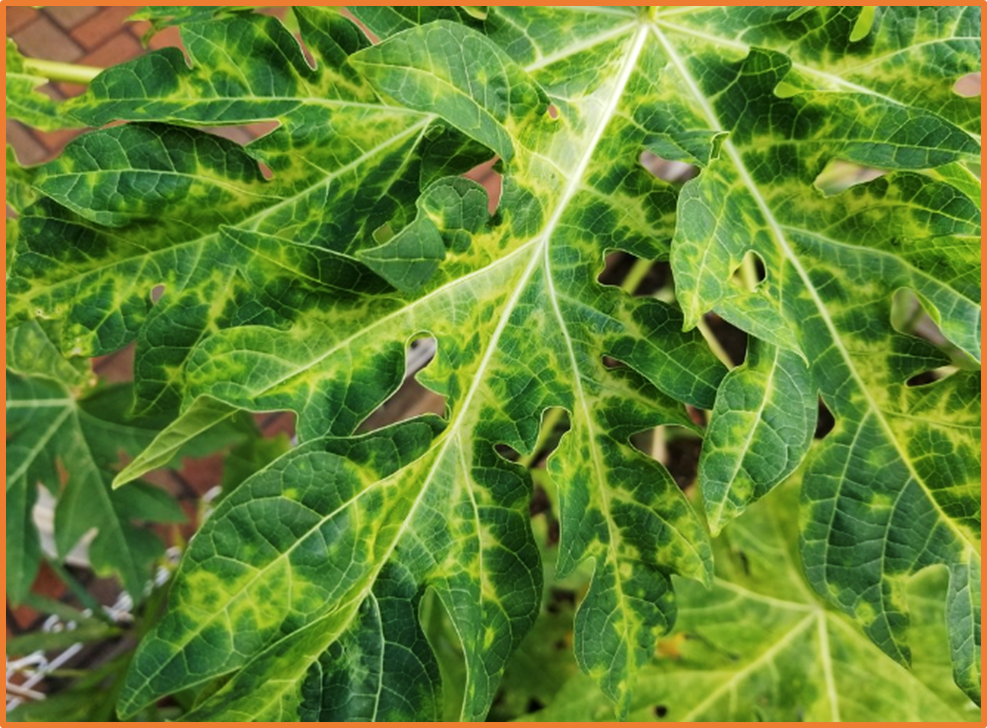
- Pearl Bodies as a Potential Source of Secondary Transmission of Papaya Leaf Distortion Mosaic Virus in Carica papaya
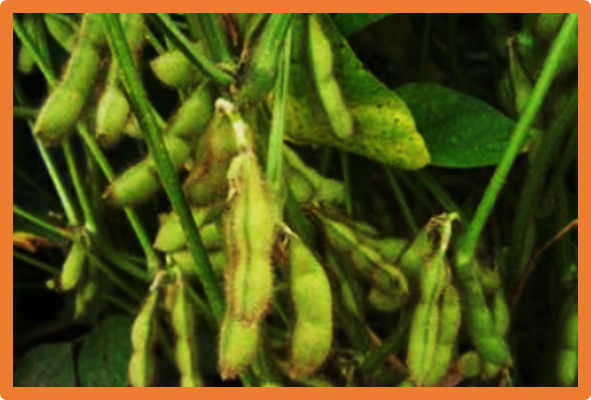
- Genome-wide identification of the SAM-dependent methyltransferase members and functional analysis of GmSAMMt30 in soybean (Glycine max) under salt-alkali stress
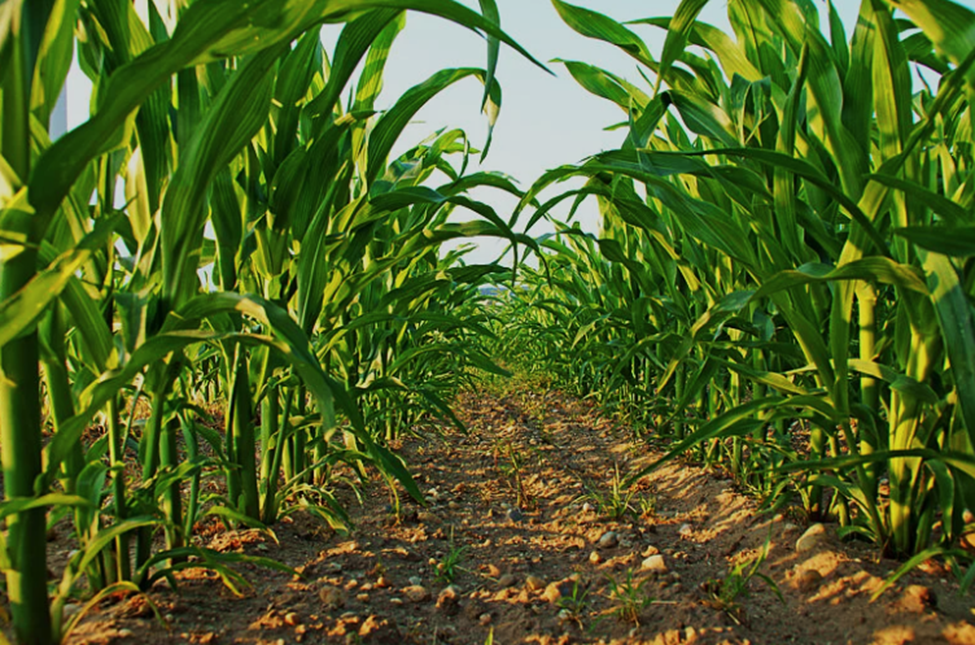
- The regulatory role of ZmSTOMAGEN1/2 in maize stomatal development is elucidated via gene editing and metabolic profiling
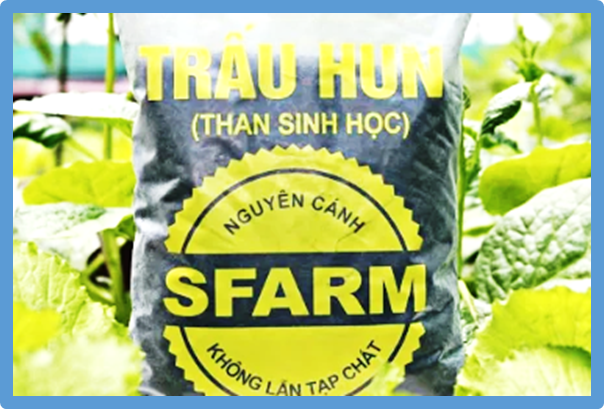
- Biochar in the circular bionutrient economy
- Identification and utilization of a novel large-effect QTL and linked markers for enhancing protein concentration in peanut
- Progress in Transcriptomics and Metabolomics in Plant Responses to Abiotic Stresses
- Identification of an adaptor protein 2σ gene for OsTGW12 to determine grain weight and potentiate quality breeding in rice
- Genetic Divergence and Functional Significance of Bioactive Compounds in Rice and Barley: Implications for Biofortification and Human Health
- Fine mapping and prediction of a candidate gene for wrinkled rind in melon (Cucumis melo L.)
- Comparative transcriptome analysis reveals the function of SoCER4 in alkanol synthesis in sugarcane
- Quantitative and sensitive sequencing of somatic mutations induced by a maize transposon
- Analysis of gene expansion and defense-related genes in Anacardiaceae family from an evolutionary aspect
- McATL43 encoding a RING-H2 finger E3 ubiquitin ligase is responsible for Shark teeth (St) fruit wart in bitter gourd (Momordica charantia L.)
- Chromosome-scale haploid genome assembly of Durio zibethinus KanYao
Thứ năm, 18-09-2025 | 01:20
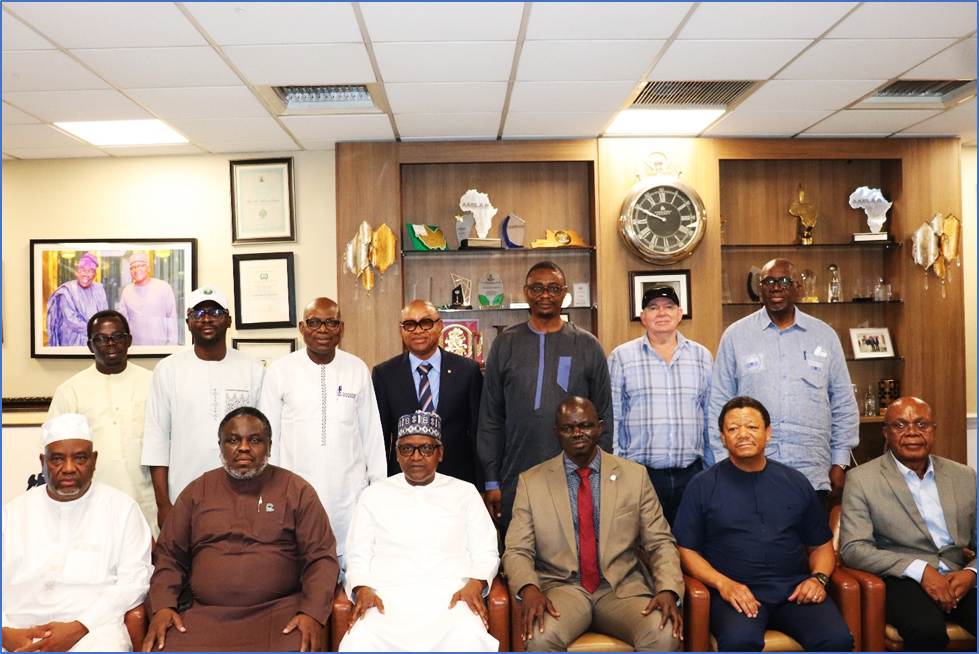
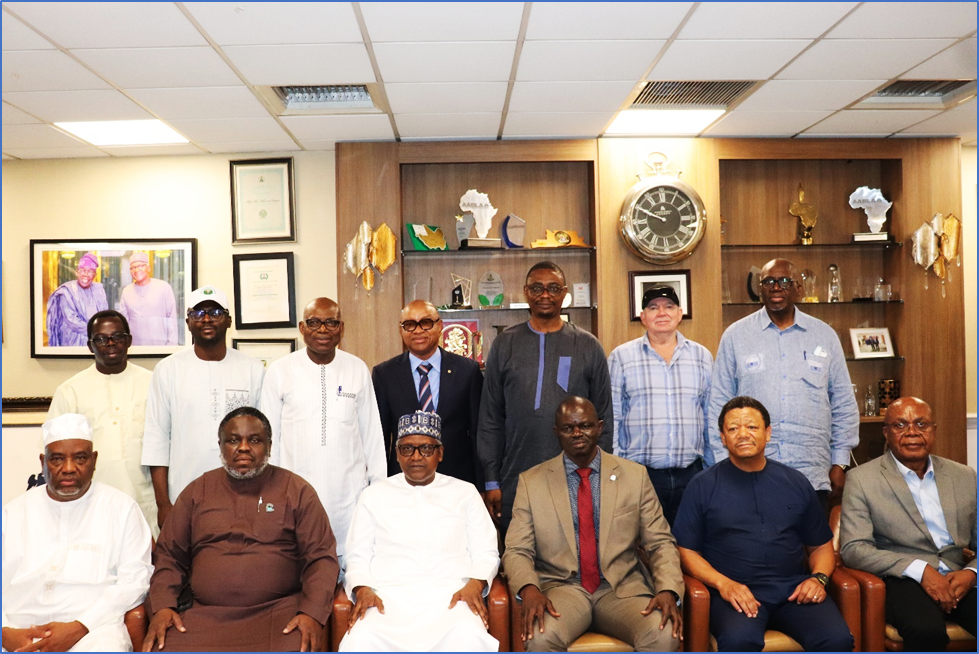
Africa Rice Center (AfricaRice) Director General Dr. Baboucarr Manneh met with Aliko Dangote, President and Chief Executive of Dangote Industries Limited, to explore strategic opportunities for strengthening Africa’s rice sector. The high-level audience focused on exploring collaborative opportunities and innovative approaches to accelerate rice sector development across the African continent. The discussions centered on leveraging public-private partnerships to strengthen the agricultural ecosystem through the scaling of proven technologies developed by AfricaRice and other CGIAR Centers. The visit followed the historic signing of a partnership agreement between AfricaRice and Niger State to provide technical support to produce 10 million tons of rice by 2030 and a landmark N1.8 trillion agreement between Dangote Rice Limited, a subsidiary of Dangote Industries with Niger Foods Security Systems and Logistics Company Limited, owned by the Niger State Government.

Thứ năm, 18-09-2025 | 01:23
The dwarfing trait is of considerable agronomic importance, as it enables increased planting density and reduced management costs. In melon (Cucumis melo L.), a high-value cucurbit crop, semi-dwarf plant architecture is particularly beneficial for lowering labor requirements in greenhouse trellis cultivation. In this study, a stably inherited dwarf mutant was identified from an ethyl methanesulfonate (EMS)-mutagenized population of thin-skinned inbred line ssp. agrestis ‘13C’. Using bulked segregant analysis sequencing in combination with MutMap and molecular marker validation, a key missense mutation in the CmTUB8 gene was identified, which completely co-segregates with the dwarf phenotype.
Thứ năm, 18-09-2025 | 01:21
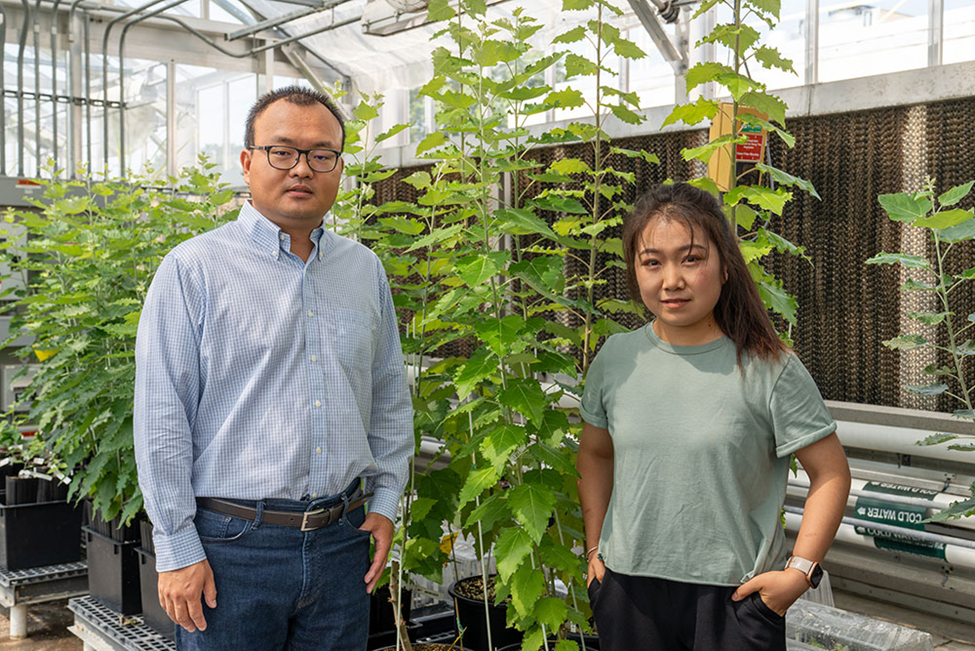
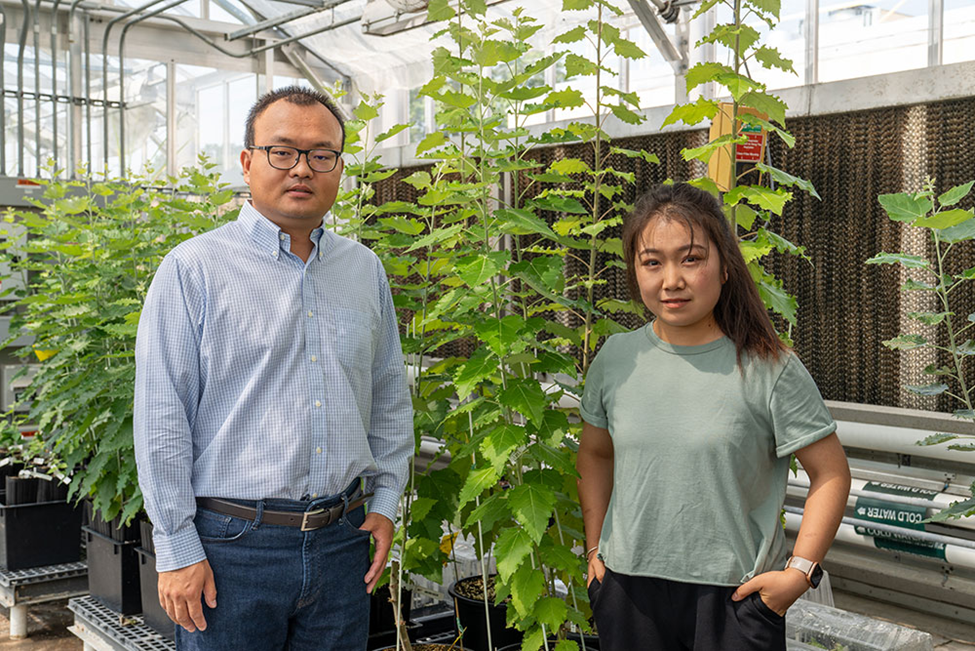
Biologists at Brookhaven National Laboratory have identified a plant protein that plays a crucial role in three key biological processes in poplar plants: iron deficiency responses, cell wall biosynthesis, and the creation of disease-fighting molecules. The research team published their study in The Plant Biotechnology Journal.
The researchers found that the gene PtrbHLH011 regulates these processes in poplar plants. By "knocking out" this gene, they were able to engineer plants that grew taller, had increased iron content, and produced more energy, which in turn supported the synthesis of valuable bioproducts, such as lignin and flavonoids. The discovery holds significant promise for developing more resilient and productive bioenergy crops. The increased iron content in the engineered plants enhanced photosynthesis, enabling them to produce more energy to support growth.

Home
The IAS Research Activities In 2024
Monday, 18/08/2025 | 03:32:09
The IAS research activities in the first six months in 2024
Monday, 18/08/2025 | 03:31:19
Highlight On Research & Development Activities By IAS in 2023
Monday, 18/08/2025 | 03:30:31
Seminar and workshop in March 2023
Monday, 18/08/2025 | 03:29:54

VIETNAM AGRICULTURE IN 2023 SHIFTING TO INTELLIGENT PRODUCTION
Monday, 18/08/2025 | 03:42:05
Vietnam agriculture in 2022: Switching to an agricultural economy
Monday, 18/08/2025 | 03:41:35
Vietnam Agriculture in 2021 to Smoothly Achieve Its Mandates
Monday, 18/08/2025 | 03:41:02
Vietnam Agriculture in 2020 to Overcome Its Double Challenges as Covid-19 Pandemic & Climate Change
Monday, 18/08/2025 | 03:40:06
Photo gallery



Tracking
-
Trực tuyến:1
-
Tất cả:55058