


CRISPR Reveals Key to Development of Purple Rice
Yunnan Agricultural University researchers and partners elucidated how rice plants control the production of anthocyanins, the purple and red pigments that offer nutritional benefits. Their study, published in Plant Science, was focused on a group of proteins known as R2R3-MYB transcription factors (TFs) and identified the OsMYB1 gene as the key player in this process.
The researchers initially identified 105 R2R3-MYB TFs in the rice genome. They then performed a detailed analysis of their relationships and structures. By combining this information with gene expression data, they found that OsMYB1 binds with biosynthesis genes OsDFR and OsANS, repressing their expression. Using CRISPR-Cas9, the researchers knocked out OsMYB1, which led to a boost in the production of anthocyanin in the pericarp and leaf tissues of purple rice.
Based on the findings, OsMYB1 is a key repressor of anthocyanin production in rice and can be targeted for biofortification and crop improvement initiatives.
Read the research article in Plant Science.
See https://www.isaaa.org/kc/cropbiotechupdate/ged/article/default.asp?ID=21491
Số lần xem: 7
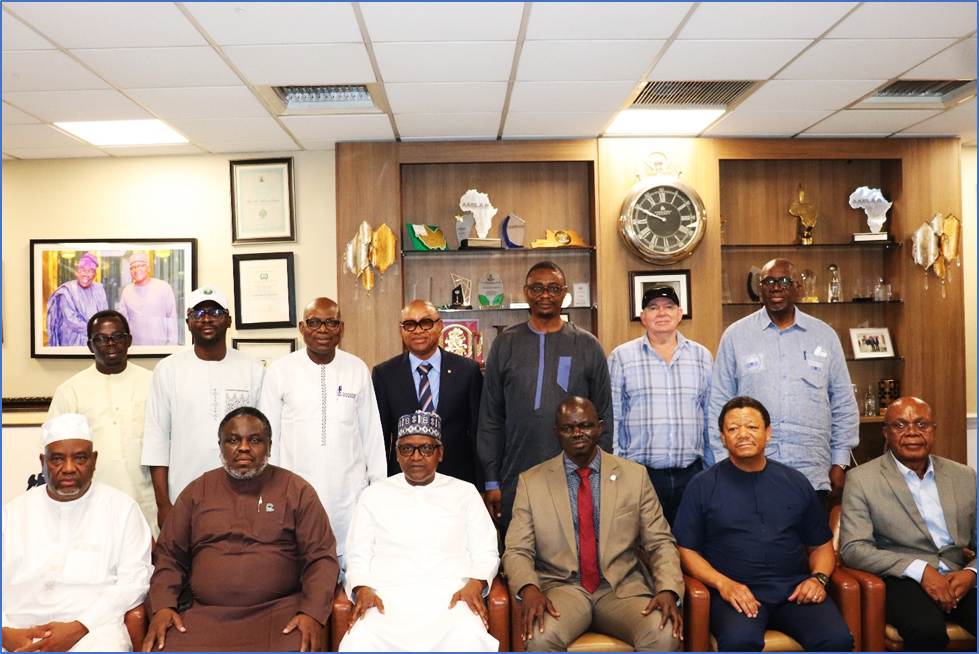
AfricaRice DG Baboucarr Manneh and Aliko Dangote Discuss Pathways to Africa’s Rice Self-Sufficiency
{mota}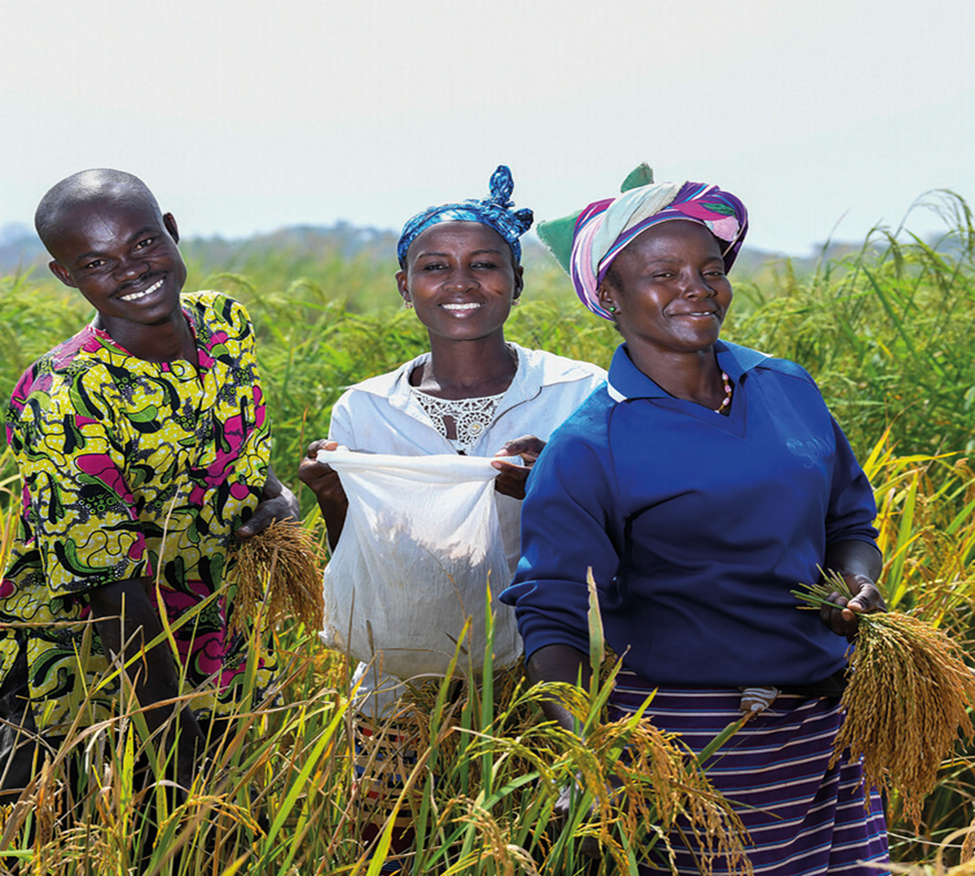
How AfricaRice transforms shared tools into impact for rice breeding
{mota}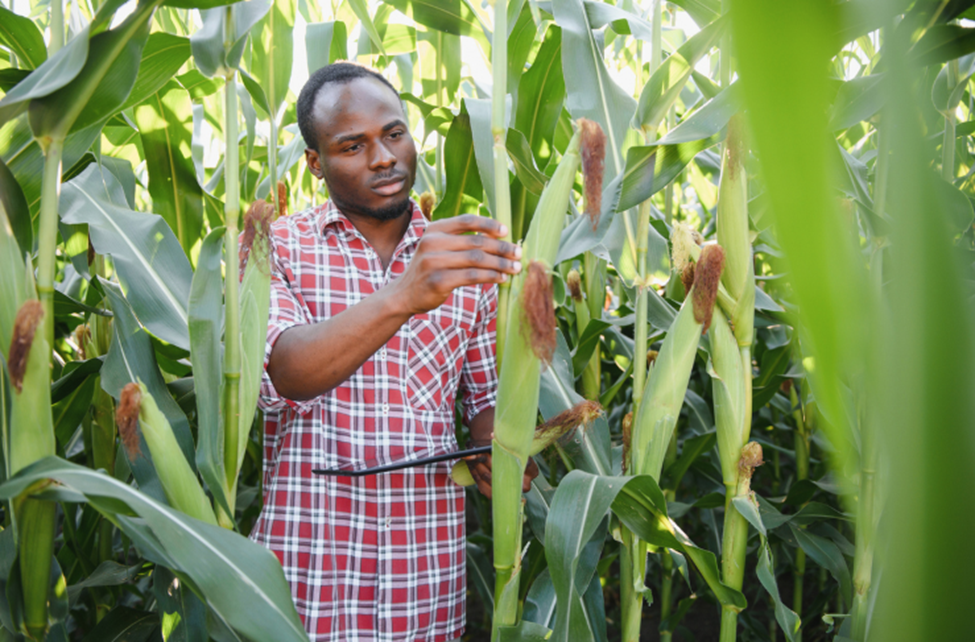
High Seed Costs and Consumer Resistance Impede GM Maize Adoption in Ghana
{mota}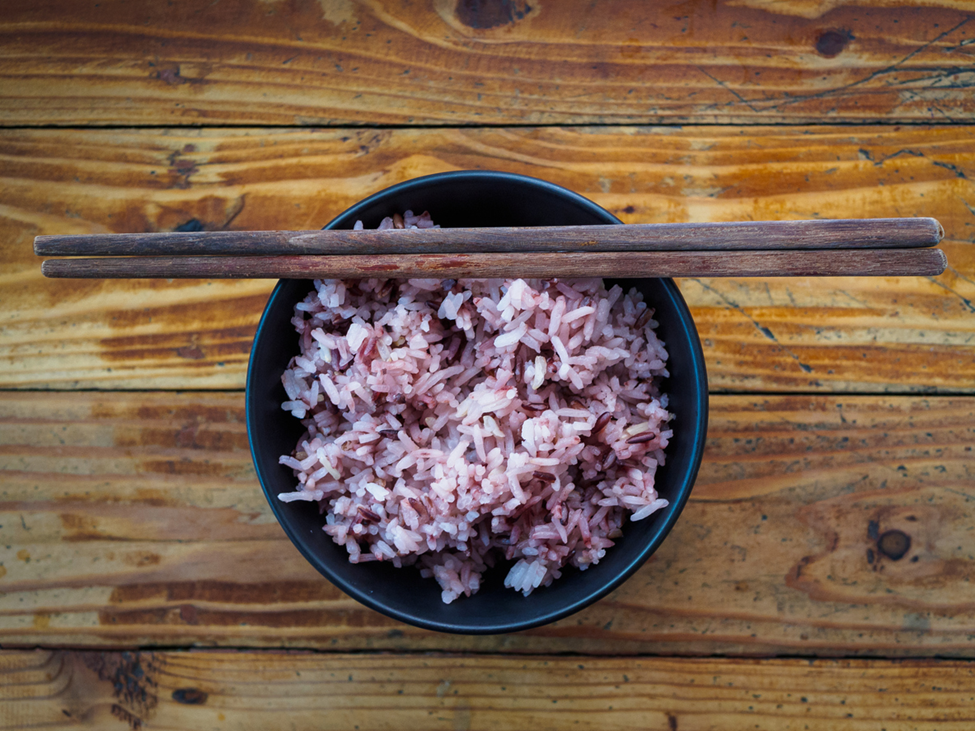
CRISPR Reveals Key to Development of Purple Rice
{mota}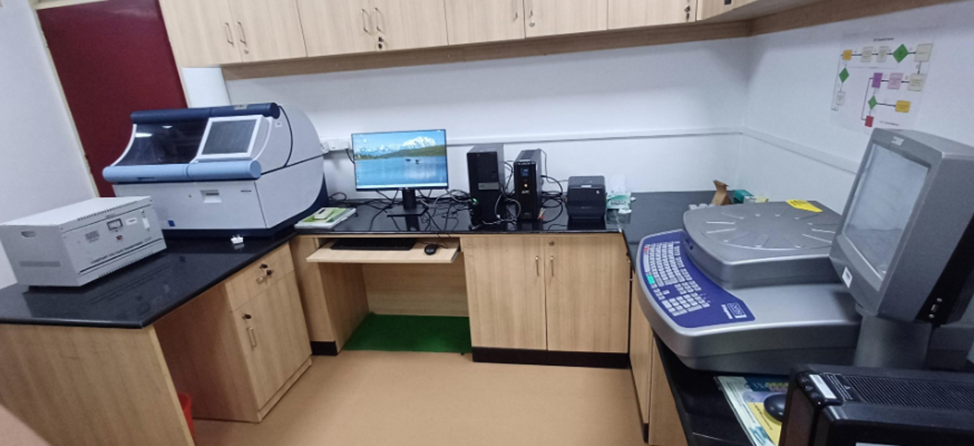
Mainstreaming nutrition in CGIAR breeding: X-ray Fluorescence (XRF) services ready to scale
{mota}
FAO Director-General’s Papal Audience with His Holiness Pope Leo XIV
{mota}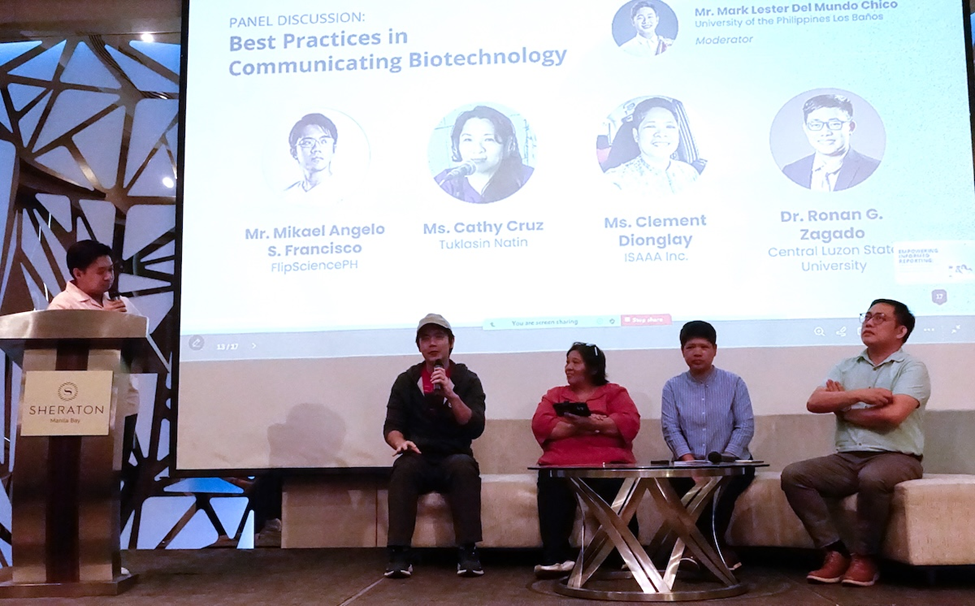
ISAAA, Bayer, and SciCommPH Empower Media Practitioners to Make Informed Biotech Reporting
{mota}
Pairwise Licenses Fulcrum® CRISPR Platform to Mars for Cacao R&D
{mota} {mota}
The Frontlines Learning Exchange webinar series sheds light on science in difficult places
{mota}