


Texas A
(1).png)
Figure: The value of cottonseed could be improved with the partnership between The Texas A&M University System and Uzbekistan’s Center of Genetics and Bioinformatics at the Academy of Sciences, which is the next step toward commercial adoption of food-ingredient cottonseed. Photo: Beth McClosky/Texas A&M AgriLife
Texas A&M AgriLife Research marks the initial step toward the commercial adoption of food-ingredient cottonseed, reaching a major milestone in increasing the value of cotton. After decades of research, Texas A&M AgriLife Research scientist Dr. Keerti Rathore has developed a cottonseed variety with ultra-low gossypol. This innovation unlocks the seed's potential as a valuable new food ingredient and feed source for poultry, swine, and fish.
The ultra-low gossypol cottonseed, TAM 66274, has been fully deregulated in the U.S. and is now ready for global adoption. According to the ISAAA GM Approval Database, TAM 66274 cotton is a genetically engineered cotton variety that expresses low levels of gossypol in the seed. Such a trait has opened the market to expand beyond the historically restricted market of dairy cows to feed poultry, swine, and aquaculture species in addition to direct use as a protein source for human consumption.
Uzbekistan has become the first country to formally partner with the Texas A&M University System to integrate this trait into its cotton crops. This collaboration will support Uzbekistan's national food security goals. This partnership is a significant step toward Rathore's goal of making cotton a dual-purpose crop—valued for both its fiber and its seed as a protein source. This development is expected to improve the sustainability of cotton farming worldwide and holds potential for U.S. cotton growers to benefit from shared genetic material in the future.
For more details, read the article in AgriLife Today.
See https://www.isaaa.org/kc/cropbiotechupdate/article/default.asp?ID=21452
Số lần xem: 8
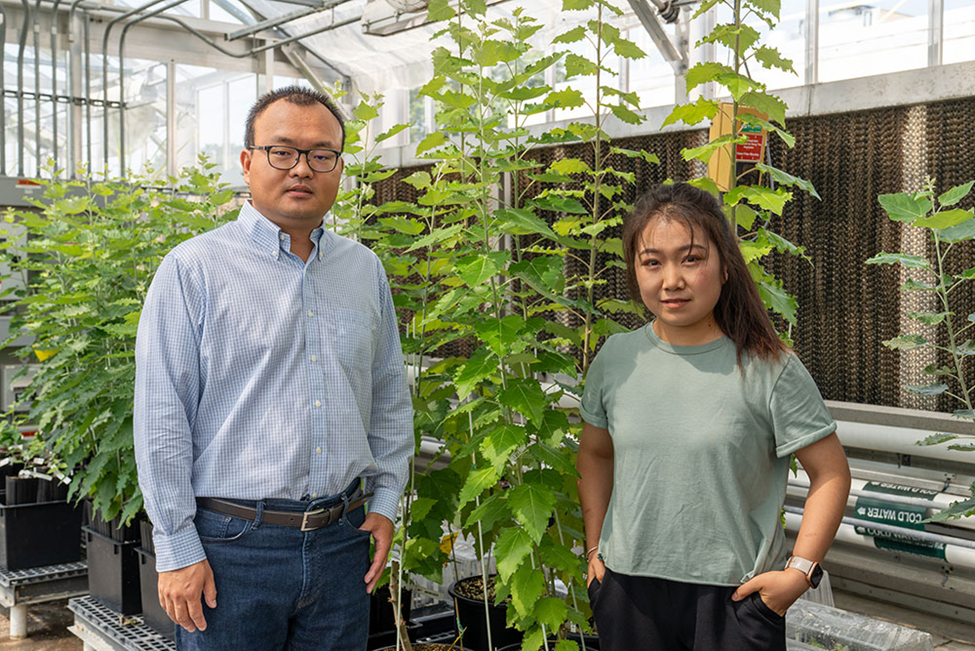 {mota}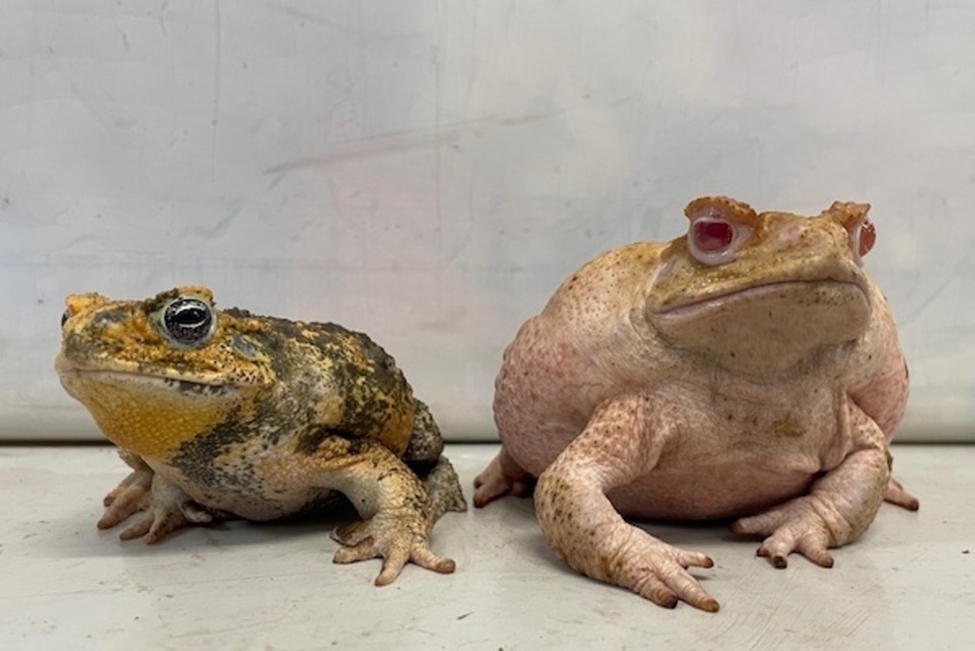
Gene-Edited Cane Toads Shed Light on Albinism
{mota}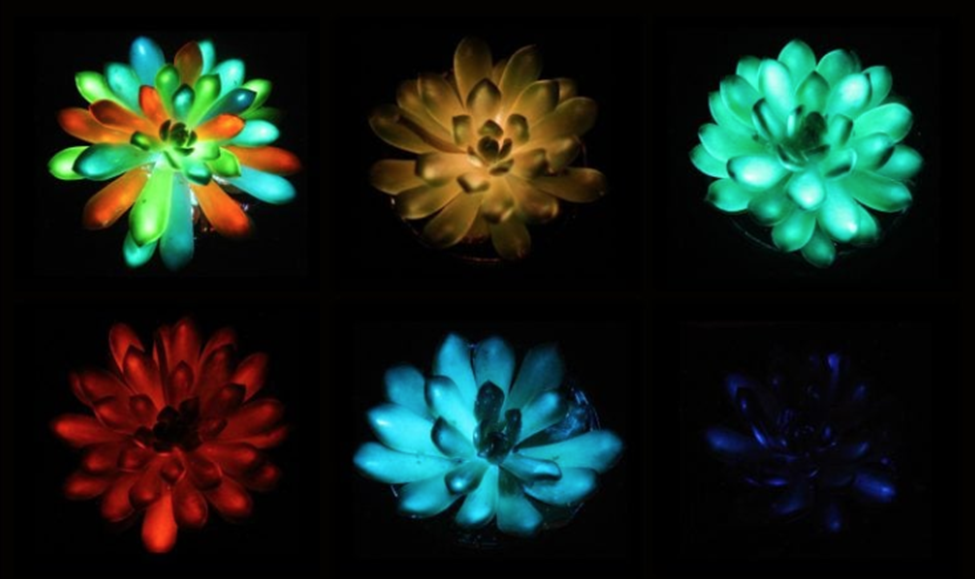
Sunlight-Recharged Glow-in-the-dark Succulents New Way to Plant-based Lighting Systems
{mota}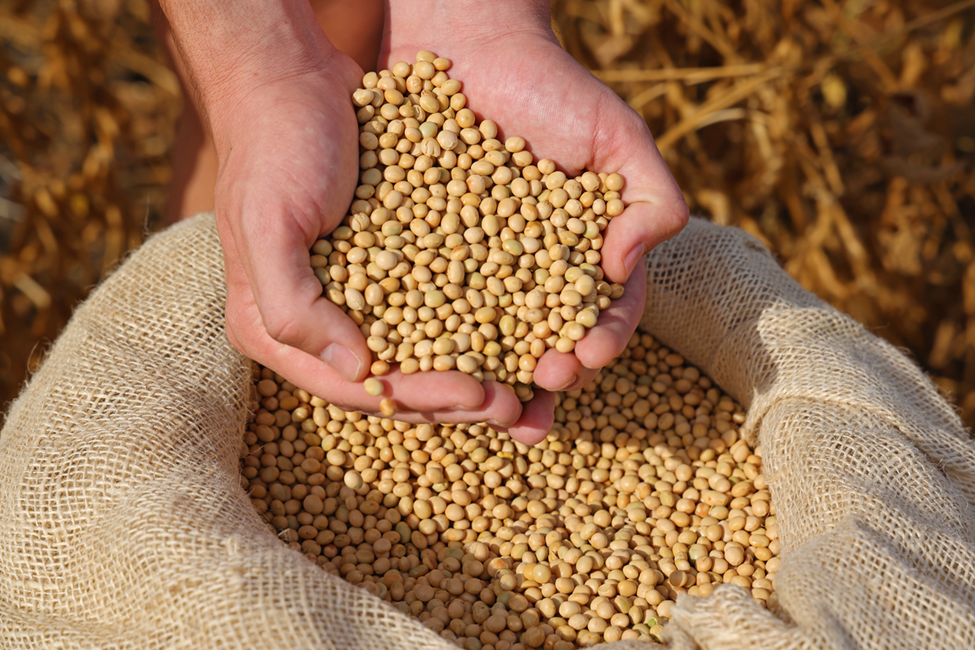
Gene Editing Helps Identify Genetic Module Regulating Soybean Seed Traits
{mota}
Engineered Yeast Produces More Succinic Acid
{mota}
EFSA GMO Panel Releases Scientific Assessment of GM Maize T25
{mota}
AI-Powered Robots to Transform Crop Breeding
{mota}
Scientists Use AI to Boost Precision of Gene Editing
{mota}
Engineering source-sink relations by prime editing confers heat-stress resilience in tomato and rice
{mota} {mota}