


MALUSOG RICE (GOLDEN RICE)
PHILRICE NEWS
Rice and Nutrition
More than three billion people worldwide depend on rice for nourishment. In the Philippines, rice constitutes almost 40% of the Filipino diet. As a staple food, it is an important source of carbohydrates but not of some micronutrients, such as vitamin A. The typical Filipino diet is chronically lacking in vitamin A resulting in vitamin A deficiency (VAD).
VAD and other forms of micronutrient deficiencies continue to be significant public health problems in our country. If not addressed properly, this condition can lead to reduced immunity, cognitive development, and poor eyesight. Multiple deficiencies disproportionately affect poor households and on the macro level, impact productivity and quality of life.
Malusog Rice (Golden Rice)
Malusog Rice is a new type of rice with a significant amount of beta carotene in its grains, which when regularly consumed as a staple can provide at least 30% of the estimated average requirement for Vitamin A. This beta carotene is similar to what is found in orange-colored fruits and vegetables. Malusog Rice is intended to be used in combination with these existing approaches to address VAD. Since rice is widely produced and consumed, it has a unique potential to reach many people including those who do not have reliable access to or cannot afford other sources of vitamin A.
The Department of Agriculture – Philippine Rice Research Institute (DA-PhilRice) is leading the development and deployment of Malusog Rice in the Philippines in partnership with the International Rice Research Institute (IRRI).
A Brief History of Malusog Rice (Golden Rice) Development
Malusog Rice (Golden Rice) is a brainchild of Professor Ingo Potrykus, then of the Institute for Plant Sciences, Swiss Federal Institute of Technology, and of Professor Peter Beyer of the University of Freiburg, Germany. It was developed using genetic engineering techniques – a modern biotechnology tool that allows the transfer of a specific trait from one organism to another (by adding the specific gene that carries the desired trait). This was after surveys of rice varieties around the world failed to identify a variety that contained beta carotene, therefore conventional breeding programs could not be used to develop Malusog Rice.
Malusog Rice was initially developed by adding genes from daffodil and a common soil bacterium. Later, a better version of Malusog Rice was developed using a gene from maize (corn) instead. This version has twenty times more beta carotene than the first.
In 2004, the Malusog Rice technology was donated to the Golden Rice Humanitarian Board, which transferred it to developing countries where VAD is prevalent, including the Philippines.
DA-PhilRice and IRRI have been working closely with organizations in the agriculture and nutrition sectors to develop and deploy Malusog Rice as a potential new food-based approach to improve vitamin A status.
See https://www.philrice.gov.ph/golden-rice/about-gr/
Số lần xem: 8
 {mota}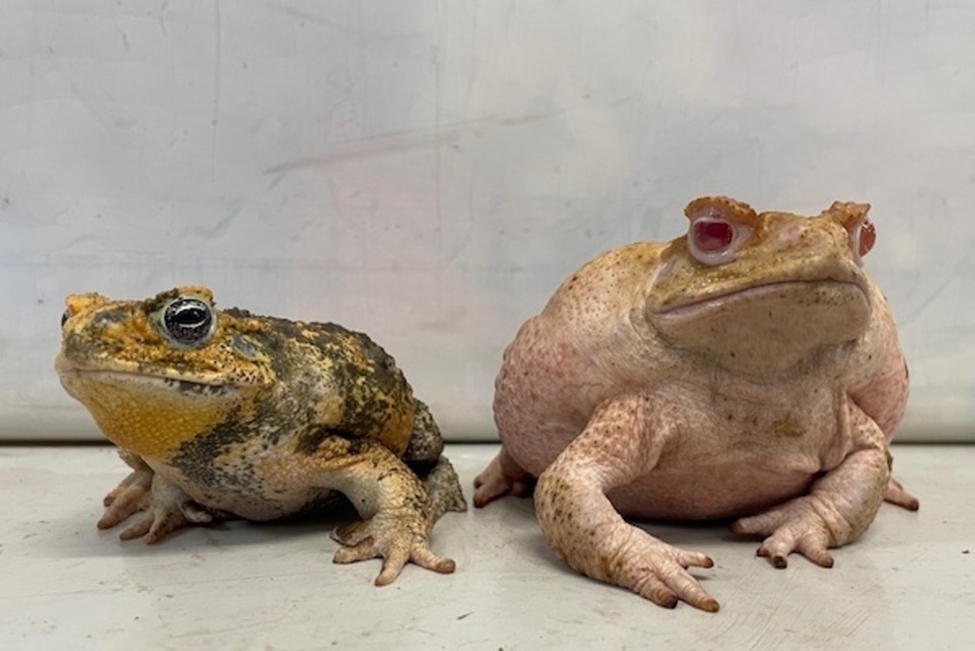
Gene-Edited Cane Toads Shed Light on Albinism
{mota}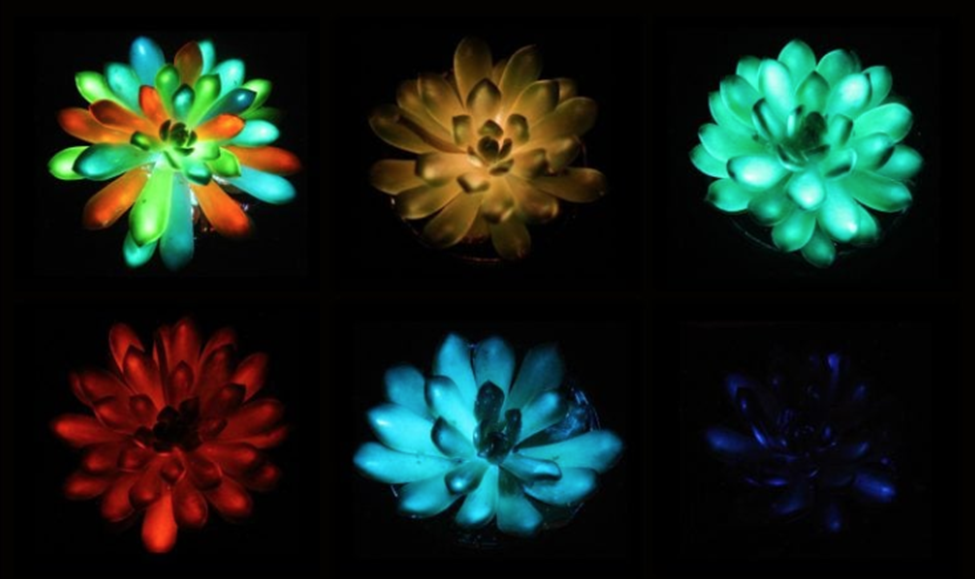
Sunlight-Recharged Glow-in-the-dark Succulents New Way to Plant-based Lighting Systems
{mota}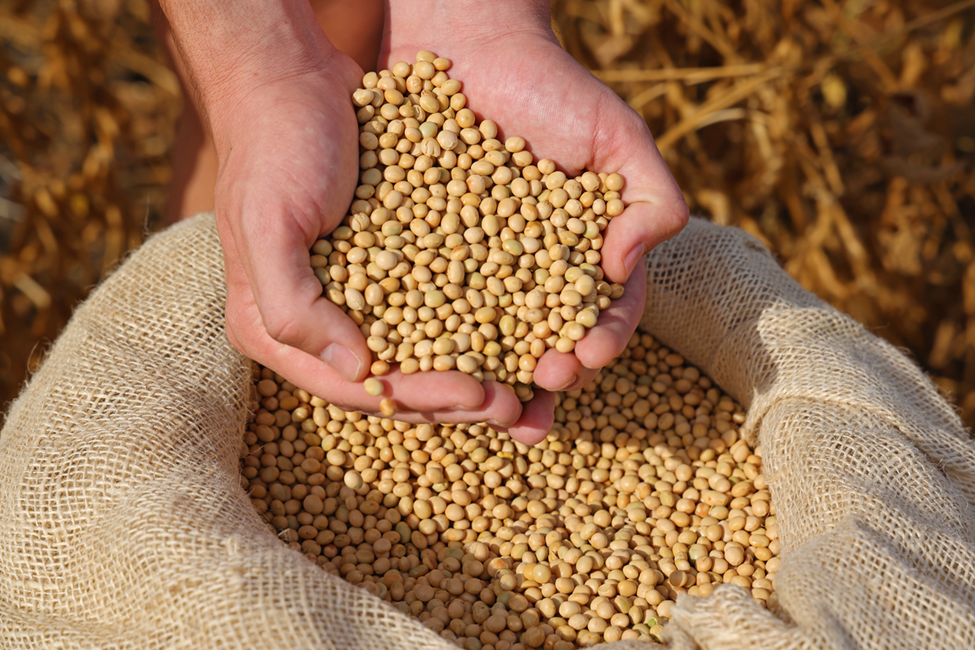
Gene Editing Helps Identify Genetic Module Regulating Soybean Seed Traits
{mota}
Engineered Yeast Produces More Succinic Acid
{mota}
EFSA GMO Panel Releases Scientific Assessment of GM Maize T25
{mota}
AI-Powered Robots to Transform Crop Breeding
{mota}
Scientists Use AI to Boost Precision of Gene Editing
{mota}
Engineering source-sink relations by prime editing confers heat-stress resilience in tomato and rice
{mota} {mota}