


Engineering source-sink relations by prime editing confers heat-stress resilience in tomato and rice
Cell; 2025 Jan 23;188(2):530-549.e20.
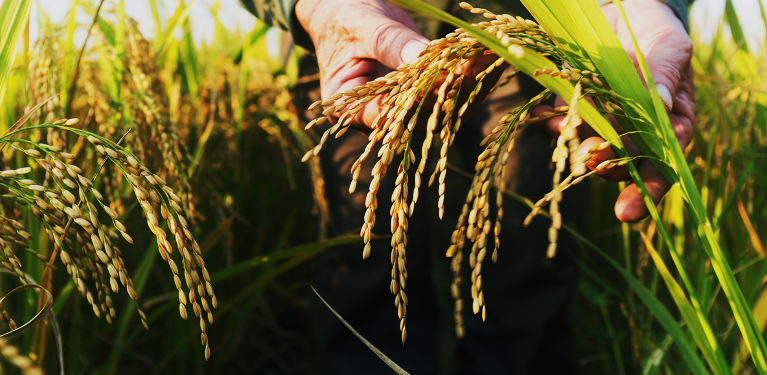
A 2°C climate-warming scenario is expected to further exacerbate average crop losses by 3%-13%, yet few heat-tolerant staple-crop varieties are available toward meeting future food demands. Here, we develop high-efficiency prime-editing tools to precisely knockin a 10-bp heat-shock element (HSE) into promoters of cell-wall-invertase genes (CWINs) in elite rice and tomato cultivars. HSE insertion endows CWINs with heat-responsive upregulation in both controlled and field environments to enhance carbon partitioning to grain and fruits, resulting in per-plot yield increases of 25% in rice cultivar Zhonghua11 and 33% in tomato cultivar Ailsa Craig over heat-stressed controls, without fruit quality penalties. Up to 41% of heat-induced grain losses were rescued in rice. Beyond a prime-editing system for tweaking gene expression by efficiently delivering bespoke changes into crop genomes, we demonstrate broad and robust utility for targeted knockin of cis-regulatory elements to optimize source-sink relations and boost crop climate resilience.
Số lần xem: 8
 {mota}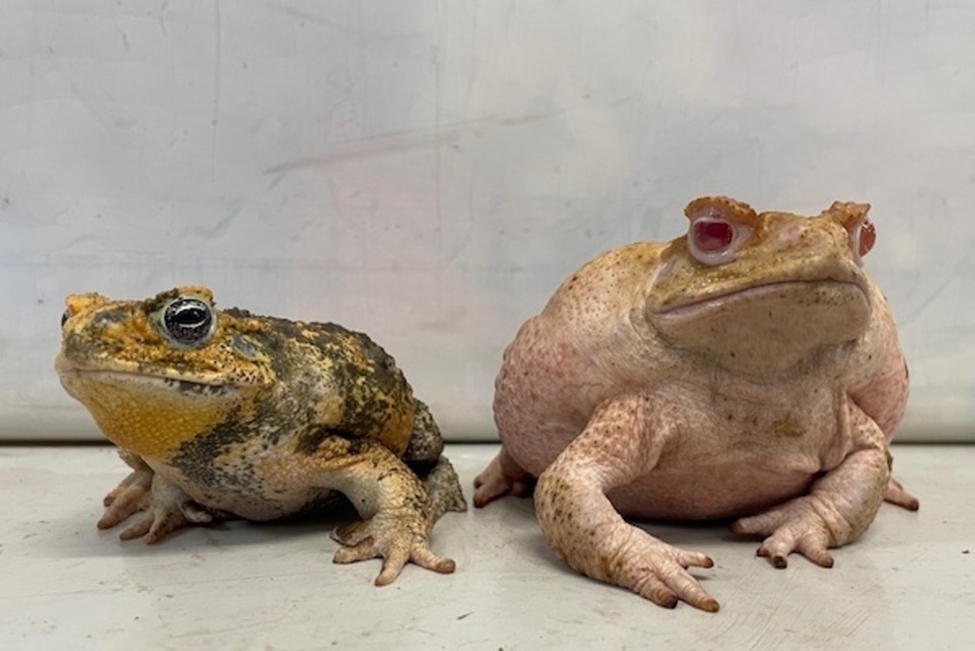
Gene-Edited Cane Toads Shed Light on Albinism
{mota}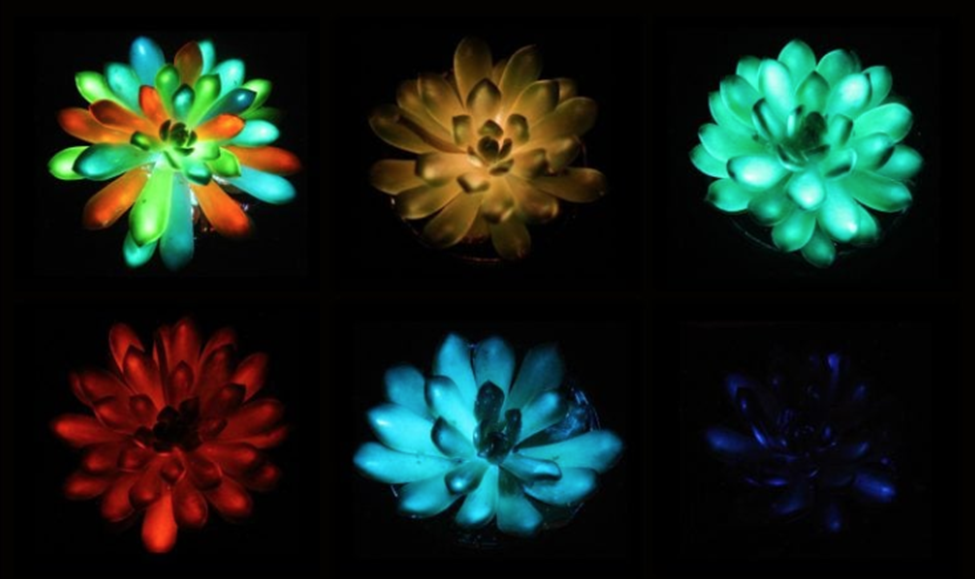
Sunlight-Recharged Glow-in-the-dark Succulents New Way to Plant-based Lighting Systems
{mota}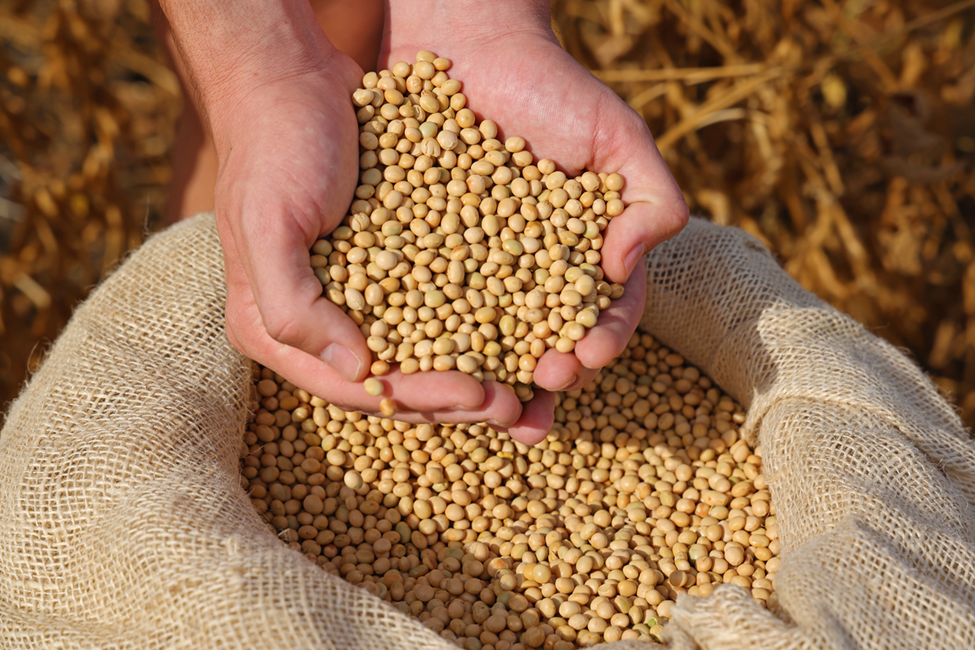
Gene Editing Helps Identify Genetic Module Regulating Soybean Seed Traits
{mota}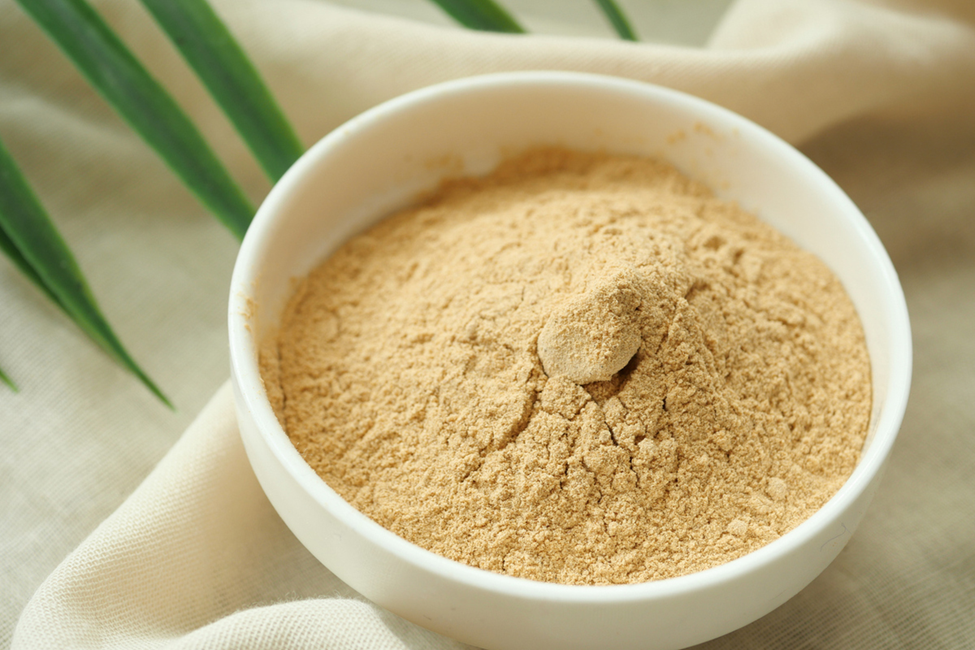
Engineered Yeast Produces More Succinic Acid
{mota}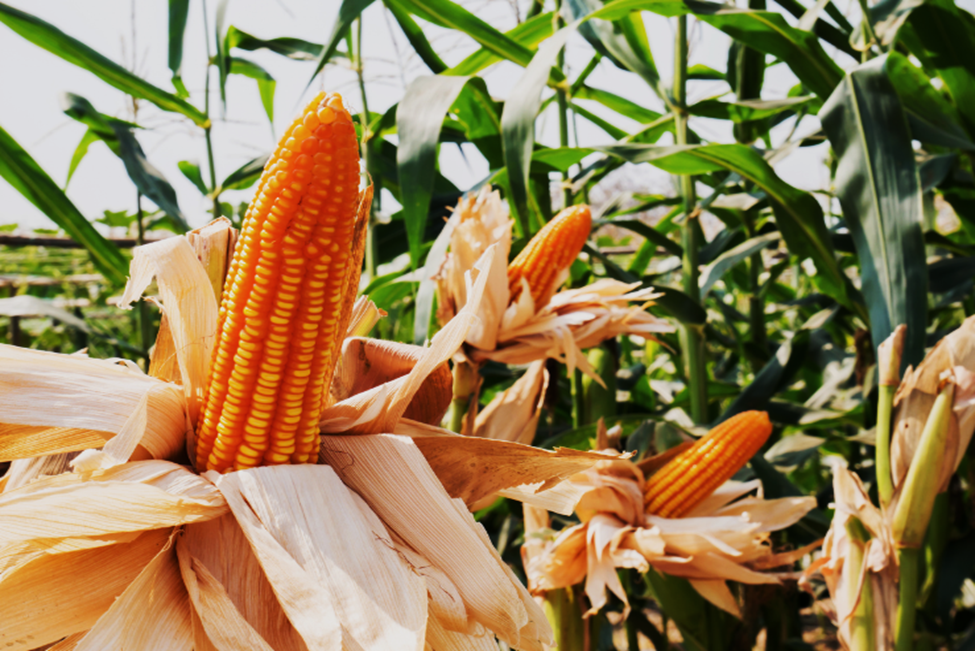
EFSA GMO Panel Releases Scientific Assessment of GM Maize T25
{mota}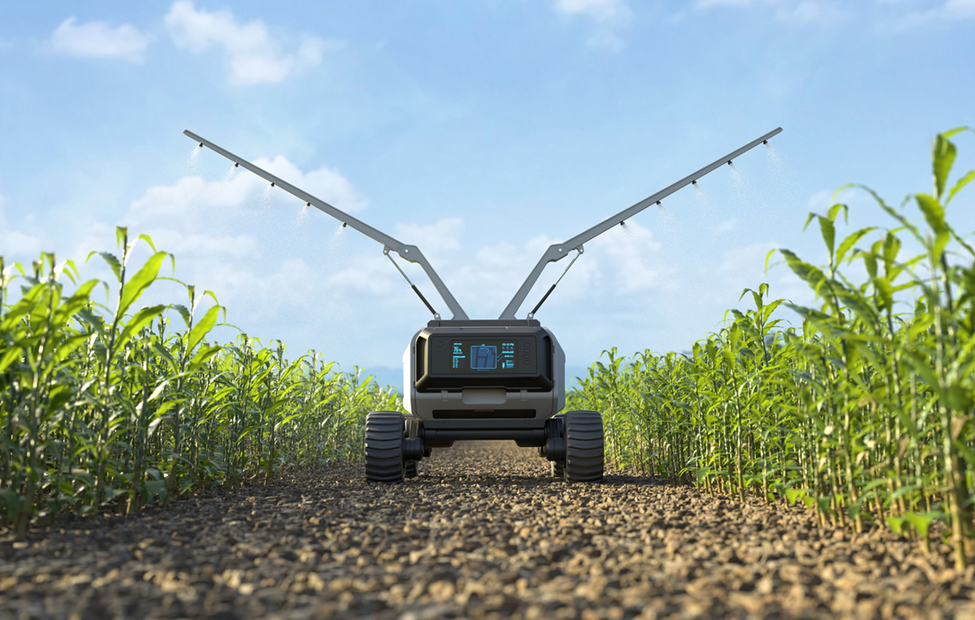
AI-Powered Robots to Transform Crop Breeding
{mota}
Scientists Use AI to Boost Precision of Gene Editing
{mota}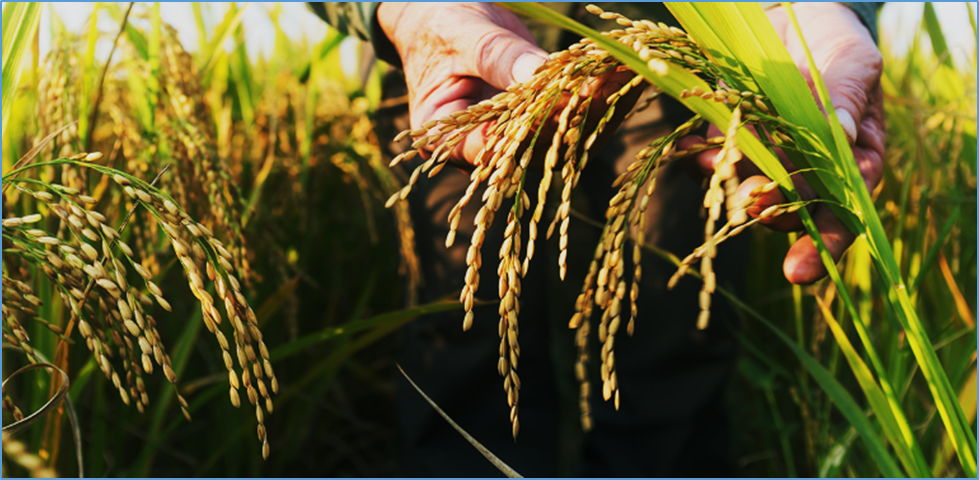
Engineering source-sink relations by prime editing confers heat-stress resilience in tomato and rice
{mota} {mota}